
AI data center construction: Using deal structure to measure and analyze the financial statement impact
It's a two-part series on top data construction projects and how financial statement impact follows structure. Part 1: On/Off balance sheet and liabilities. Part 2: CIP and cash flow.
This is collaborative effort, co-authored with Deep Quarry the newsletter from Olga Usvyatsky. If you value our work, please subscribe!
“The US’s ambition to lead the world in artificial intelligence has sparked a frenzy among developers to build data centres across the country.
In the first half of 2024, new data centres totalling nearly 24GW were announced by companies, more than triple the same period last year and already exceeding the entirety of 2023, according to a new report from Wood Mackenzie.”
That’s what the Financial Times’ Amanda Chu reported on October 17, 2024 (Gift link).
For as long as we have had computers and the internet, we’ve had data centers. In the beginning, in the mainframe computer era, organizations that invested in the new technology, such as banks, began by housing all of their computer equipment in one place. And then the internet allowed the growth of specialized businesses that encouraged that effort to be outsourced to experts who could manage rapid technological change for you. The shift from mainframe to cloud computing data centers began in the early 2010’s, and large language model training in AI-specific data centers began in the early 2020’s.
In 2025, some of the most significant AI-specific data center construction projects were announced.
Stargate Project: A planned $500 billion AI infrastructure project involving OpenAI, Microsoft, and Oracle announced in January 2025.
Project Rainier (Amazon): Launched in October 2025, an $11 billion project in Indiana designed for Anthropic’s machine learning models.
Hyperion (Meta): A 5-gigawatt AI data center project in Louisiana.
In one week in September 2025, Microsoft announced three big projects:
Today in Wisconsin we introduced Fairwater, our newest US AI datacenter, the largest and most sophisticated AI factory we’ve built yet. In addition to our Fairwater datacenter in Wisconsin, we also have multiple identical Fairwater datacenters under construction in other locations across the US.
In Narvik, Norway, Microsoft announced plans with nScale and Aker JV to develop a new hyperscale AI datacenter. In Loughton, UK, we announced a partnership with nScale to build the UK’s largest supercomputer to support services in the UK.
Microsoft summed-up the challenges in that announcement, and the key issues that have been driving markets, and keeping investors, analysts, journalists, and us up ever since:
These AI datacenters are significant capital projects, representing tens of billions of dollars of investments and hundreds of thousands of cutting-edge AI chips...
In this newsletter, we’ll dig into the companies leading the major AI-related data center construction efforts, how we believe these massive multi-year capital projects are structured, and how the structure of these projects impact the accounting and financial reporting of the lead organizations as well as suppliers, funding sources, and the ultimate data center customers/tenants.
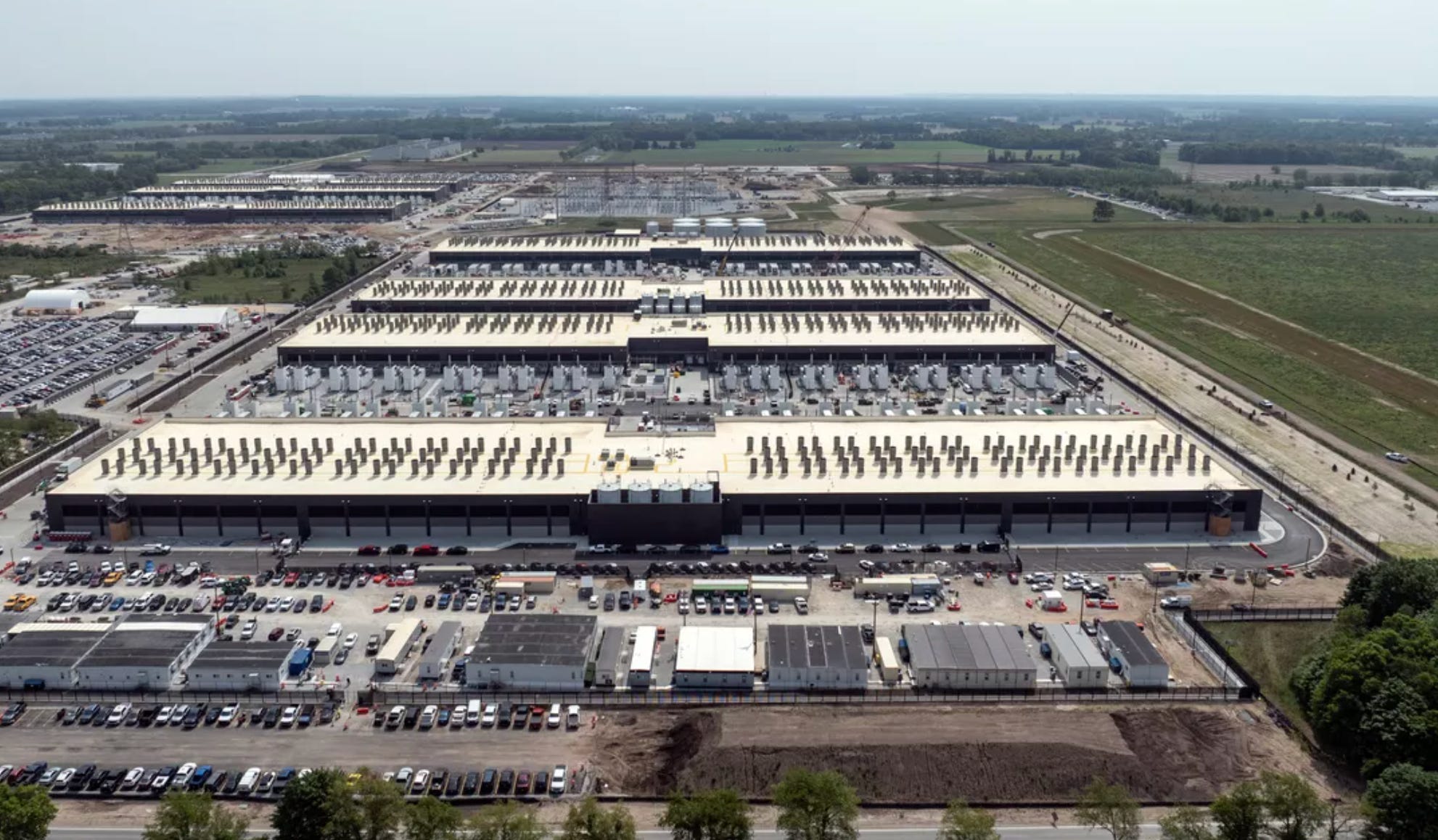
After the paywall, we’ll focus on four areas of the financial statements and financial reporting, some of which have been written about previously and some which have not, and try to clarify and shed new light including making suggestions for improvement in disclosures by all involved.
On- or off- balance sheet treatment — to consolidate or not — and how the lead construction entity’s size, financial strength, and market credibility is dictating how the deals are structured and paid for and the impact on everyone’s financial statements and financial reporting, whether public or private.
Liabilities, specifically the massive growth in accounts payable at many companies due to the significant capital expenditures for these projects. How can we know if the growth of Accounts Payable (A/P) is normal operating activity or these construction projects, and if construction projects which vendors?
Reporting on construction in progress, lack of consistent project level detail including “placed in service” decisions for completed projects, the impact of sale-leaseback agreements, and depreciation expense decisions.
Cash flow — operating, financing, and investment — and inconsistent disclosures on the Statement of Cash Flows of useful information such as cash paid for PPE. Also, non-GAAP metric “free cash flow” trends may not be a useful signal given massive construction capital expenditures everywhere.
Finally, we are going to try to identify where we see over-concentration of exposure. In other words, if AI computing demand slows or stops 12-24 months from now — when most of these data centers will come on-line— who might be left holding the bag?
Given the breadth of the issues, Part 1 will focus on the first two areas — consolidation and structuring decisions, and the surge in accounts payable — while Part 2 will address construction-in-progress reporting and cash flow presentation, before concluding with an analysis of potential concentration exposure if AI demand slows.