
Strategy popularized Bitcoin treasuries but the cash to pay for it doesn't grow on the blockchain
Bitcoin treasuries have market and interest rate risk, face earnings volatility from fair-value adjustments, and liquidity is trapped in a volatile asset. Just wait until regulatory scrutiny returns!
This is a cross-post with Deep Quarry, the newsletter I occasionally collaborate on with Olga Usvyatsky. If you value our work, please subscribe!
The term “bitcoin treasury company” is now ubiquitous. However, Strategy (formerly MicroStrategy) is the “OG” of bitcoin treasury companies. The playbook is simple: accumulate bitcoin and hold it indefinitely as a corporate treasury reserve. Strategy, and its CEO Michael Saylor, have turned this playbook into, until recently, a well-oiled machine. That’s led to hundreds of copycats all over the world.
A bitcoin treasury strategy is only feasible at scale as long as you can reliably tap internal free cash flow and/or significant, low-cost capital on favorable terms. The engine that gives Strategy’s machine its hum is Saylor’s previous access to a seemingly unending variety of external financing – raising billions through the issuance of convertible debt, preferred stock, and at-the-market (ATM) equity issuances.
If the capital market funding window starts to close or the financing that’s available is on suddenly less favorable terms, that will likely slow the pace of bitcoin accumulation. It may even force the liquidation of a portion of the assets — despite Saylor’s adamant HODLR (buy-and-hold) stance — if a significant cash interest or dividend payment comes due. After all, as we wrote back in April, Strategy’s core software business is declining. Saylor’s focus has not been on that business for a while now. The software side of the business, what’s left of it, can’t support this aggressive strategy’s cash flow needs alone.
The bitcoin treasury strategy also creates a cash tax outflow burden.
The Inflation Reduction Act of 2022 created a 15% Corporate Alternative Minimum Tax (CAMT) on corporations whose average annual AFSI (adjusted financial-statement income) exceeds $1B over any consecutive three-tax-year period. Separately, on January 1, 2025, Strategy adopted the new accounting guidance for crypto assets, ASU 2023-08, which requires companies to report changes in fair value of certain digital assets through the income statement.

New accounting guidance for crypto assets, adopted by FASB on December 13, 2023, was intended to support the growing presence of crypto assets on balance sheets, but ironically may further complicate tax treatment for the public company most invested in bitcoin as a business model: MicroStrategy (Ticker: MSTR).
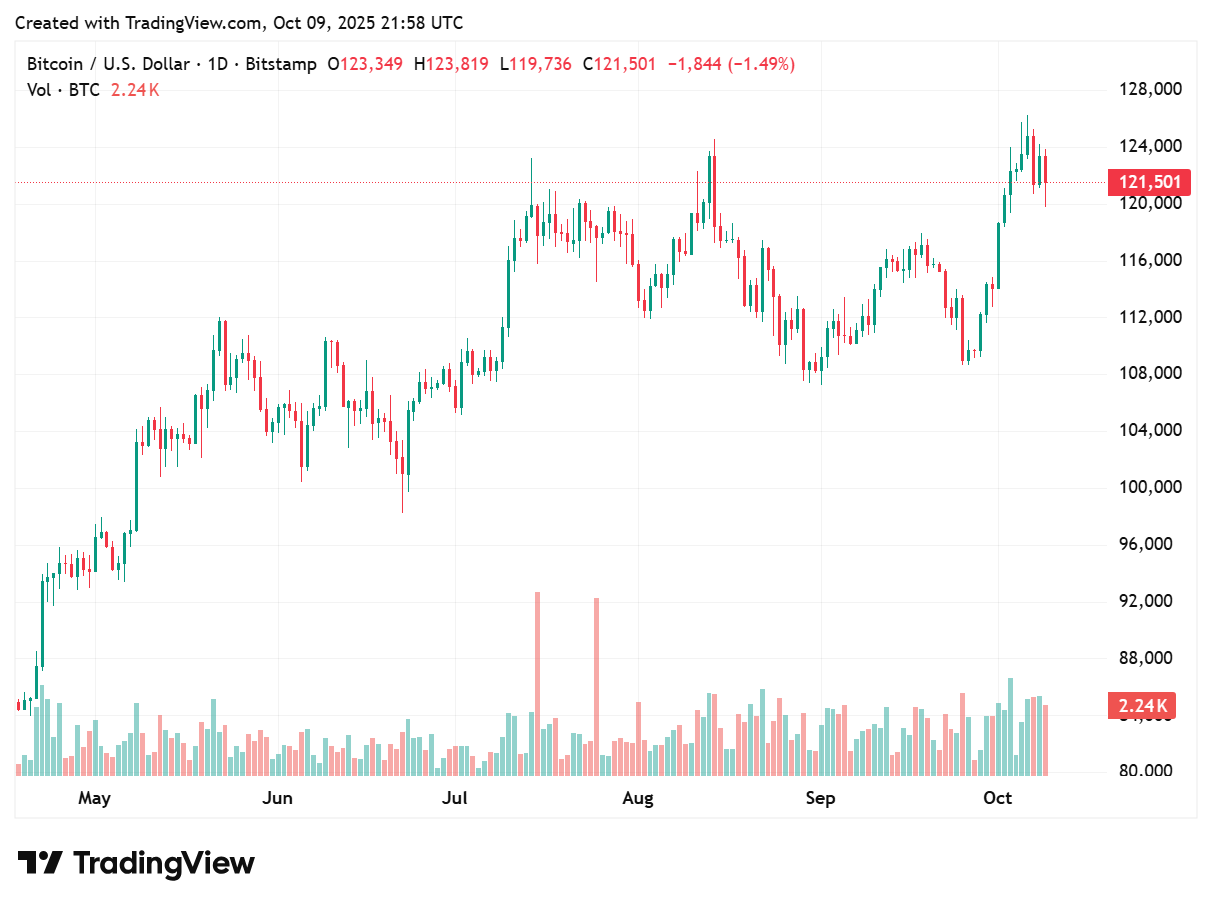
Bitcoin prices have registered a steady increase, reaching an all-time high of $125,000 in October 2025, following the new Trump administration’s signal of more crypto-friendly policies after the November 2024 election. The increasing price of bitcoin leads to income-increasing changes in the fair value of the digital assets on Strategy’s balance sheet. Thus, in the absence of IRS relief, it imposes CAMT liability on Strategy and a few others as early as 2026.
There’s more after the paywall including our take on what kinds of bitcoin treasury companies may be in the SEC’s sights. Won’t you subscribe?